Innovation entrepreneurs took in a nice haul in 2025, and in 2026, the rewards will be even bigger. Street art mural in Milan by Italian street artist TvBoy.
How we fared on our prognostications for 2025
Today, we review the predictions we made for 2025 a year ago; you can view them in full glory by clicking the story below. Later next week, we will publish our prognostications for 2026. As the caption to the street art to the 2024 post expressed—’Let’s turn the world 🌎around one more time for the better in 2025!❤️🔥’— and we are pleased to report innovation entrepreneurs and their risk investors did, indeed, step up in 2025, and most of our dreams came true. The recap of how we did with our forecast follows below.
Startups Chip Away at Nvidia’s Dominance (and stock price)
Our Call: Nvidia’s market share erodes as startups like Cerebras, SambaNova, and Groq grab slices; NVDA stock dips?
What happened: Nvidia’s AI chip share fell from 95% to 72% by Q4. Cerebras IPO’d at $7B valuation (up 35% since), Groq hit $3.5B post-funding, and SambaNova raised $1.2B.
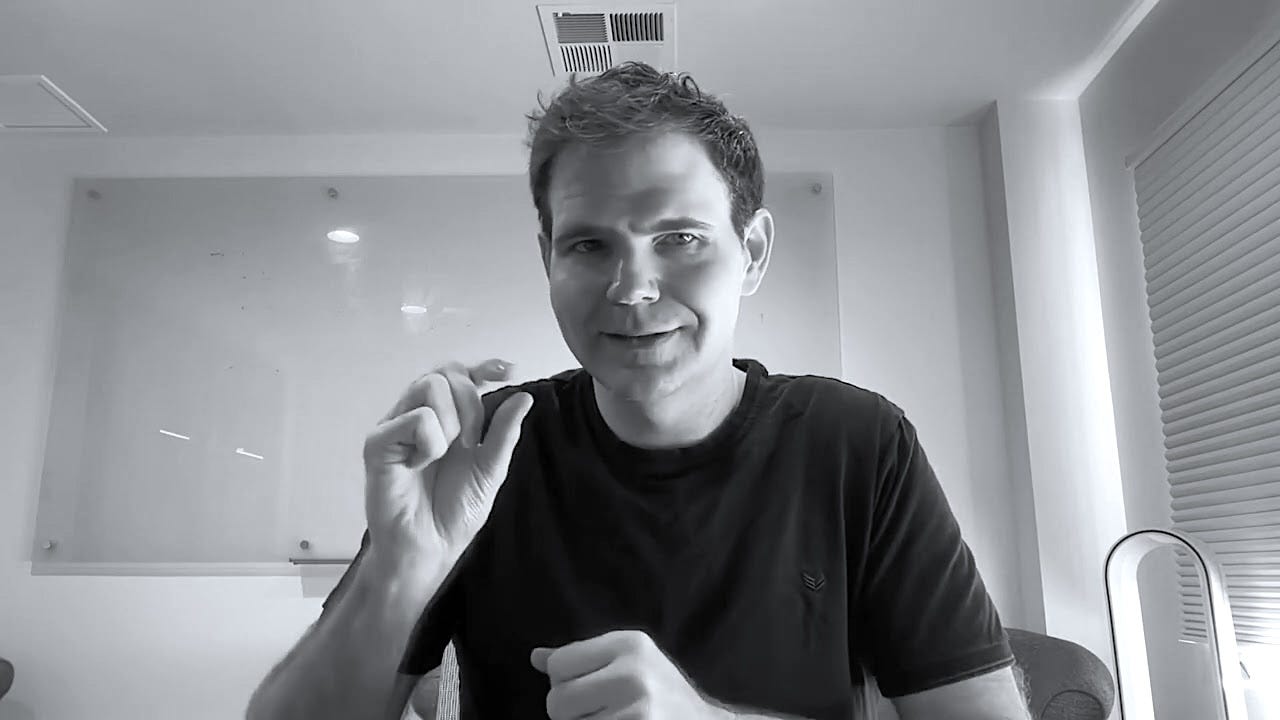
Groq founder & CEO Jonathan Ross, who made a little bit of money on the deal (~$3.3 billion+), will also join Nvidia, signaling a push for faster, more efficient AI chips amid data center demands.
Breaking News: Nvidia acquired AI chip startup Groq in a $20B deal, marking the largest transaction in Nvidia’s history. Groq had raised a total of $1.75 billion across six funding rounds since its founding in 2016, with its most recent valuation at $6.9 billion (post-money) as of September 2025. Social Capital, which provided Groq with its Series A and B money, is the biggest VC fund winner with a return that should exceed 100x. Roughly 90% of Groq employees, along with Grow founder Jonathan Ross, will join Nvidia and receive cash for vested shares.
NVDA stock? We weren’t affirmative (we are not stock pickers), but did float the idea shorting NVDA, and the stock was down 28% YTD after peaking early.
TechBro backlash
Our Call: Thearrogance, perceived self-interest, and overreach of Elon Musk and his fellow TechBros will create broad mistrust and a backlash in 2025.
Starting with the Roadster in 2008, followed by the mass-market Model 3 and Model Y, Elon was a darling of the eco-crowd for proving to the auto industry that high-performance, long-range EVs could be desirable and profitable.
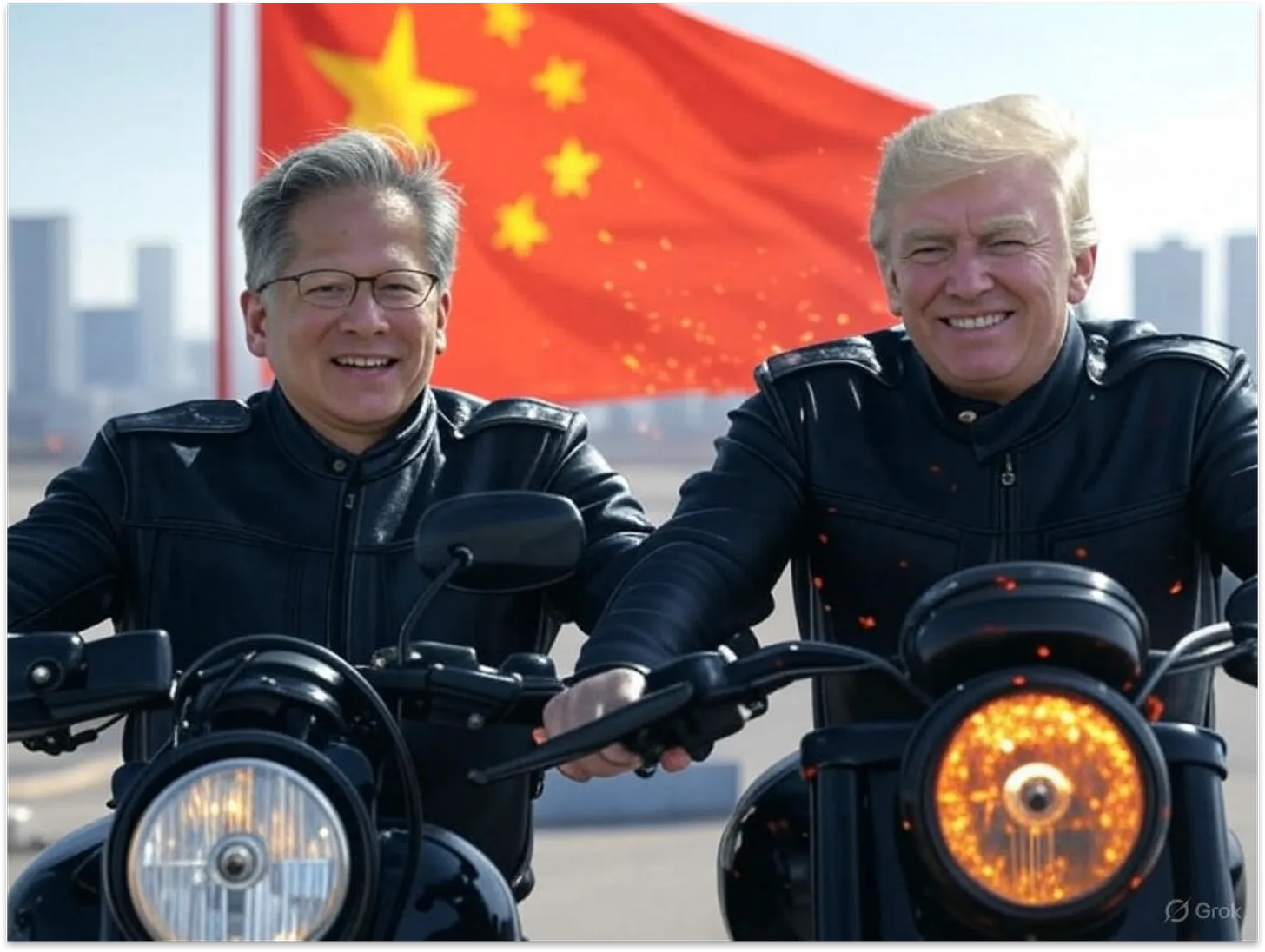
What happened: That was an easy one to predict as Americans intuitively mistrust any visible concentration of power. When you roll up Elon, Bezos, Zuck, Sam Altman, Jensen Huang, Tim Cook (Apple,) Marc Benioff (Salesforce), and Sundar Pichai (Google) with the most powerful wheeler-dealer on the planet, that’s a dense power pack.
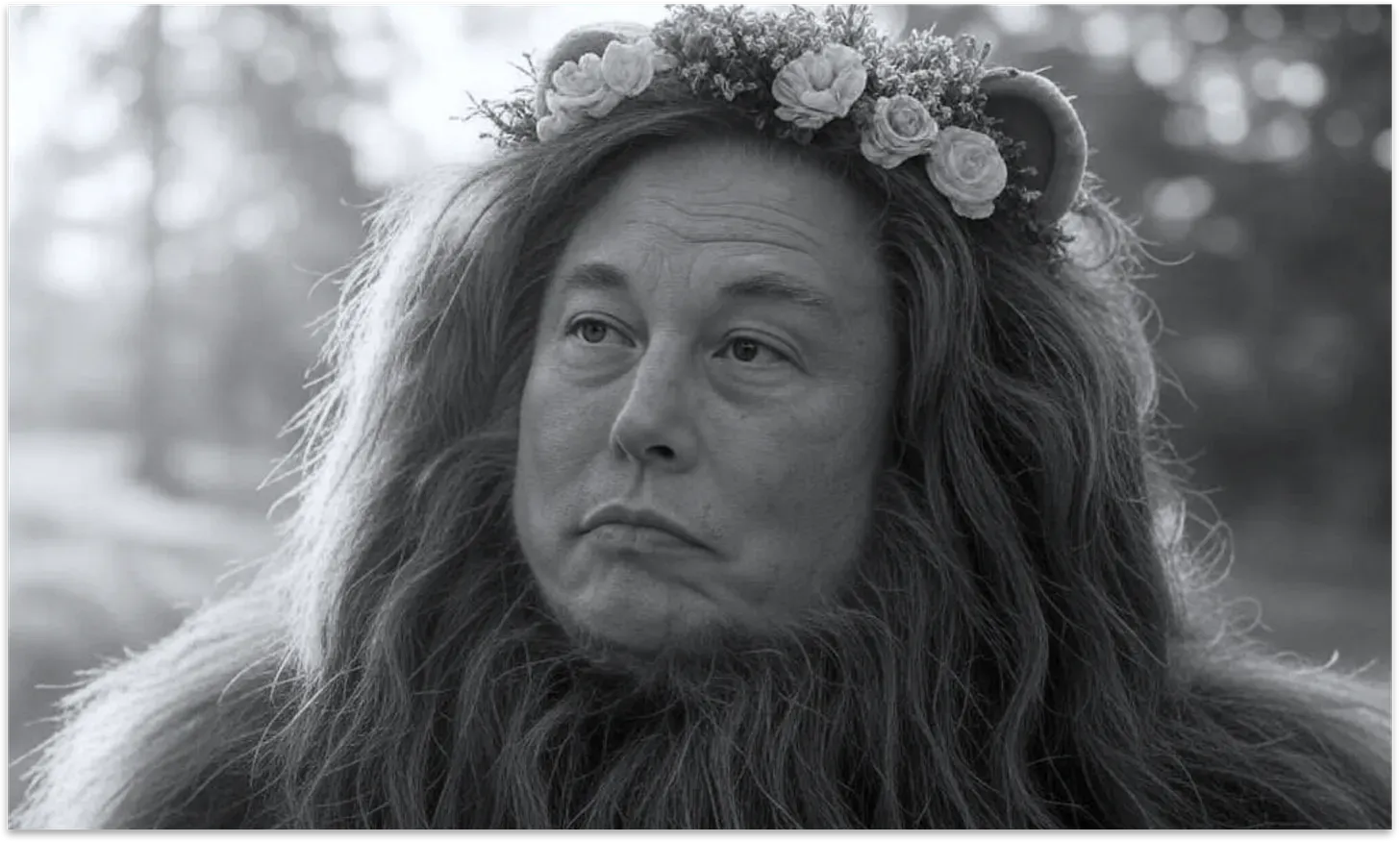
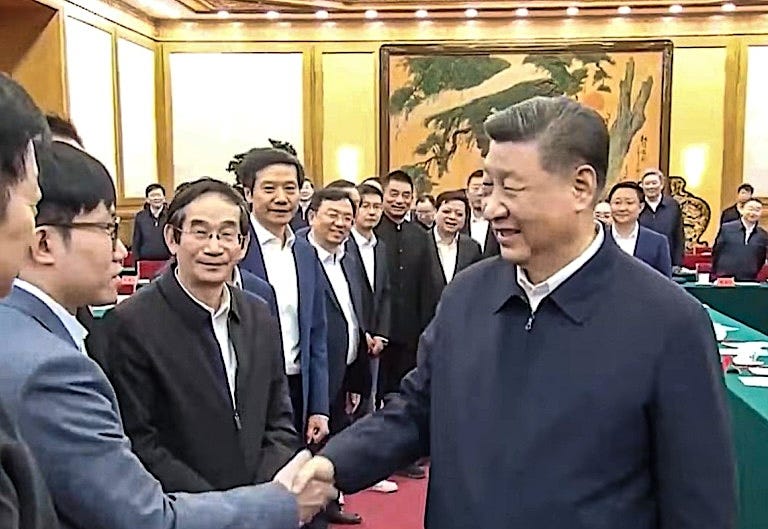
The Cowardly Lion took the biggest hit for daring to cut wasteful spending and modernize government operations. Elon’s acquisition of Twitter in 2022 and taking charge of DOGE in early 2025, tanked his popularity rating to -28 net (Gallup poll in July 2025), down from his popularity peak of +24% in 2017. Elon’s DOGE cuts, and his ‘George Soros of the middle’ positioning turned many of his initial eco-worshipers into enemies, and fueled Tesla boycotts and a wave of vehicle, dealership, and charging station vandalism and arson across the US and beyond. Total damages have been estimated to be at least $45 million.😳 Tesla sales also suffered a 12% sales dip to add more excruciating pain to his punishment.
“We were a little bit successful. We were somewhat successful. You really want the least amount of government involvement possible. That’s why we did @DOGE. Was it worth it? No, I don’t think so. Knowing what I know now. I think instead of doing DOGE, I would have basically worked on my companies. And they wouldn’t have been burning the cars.
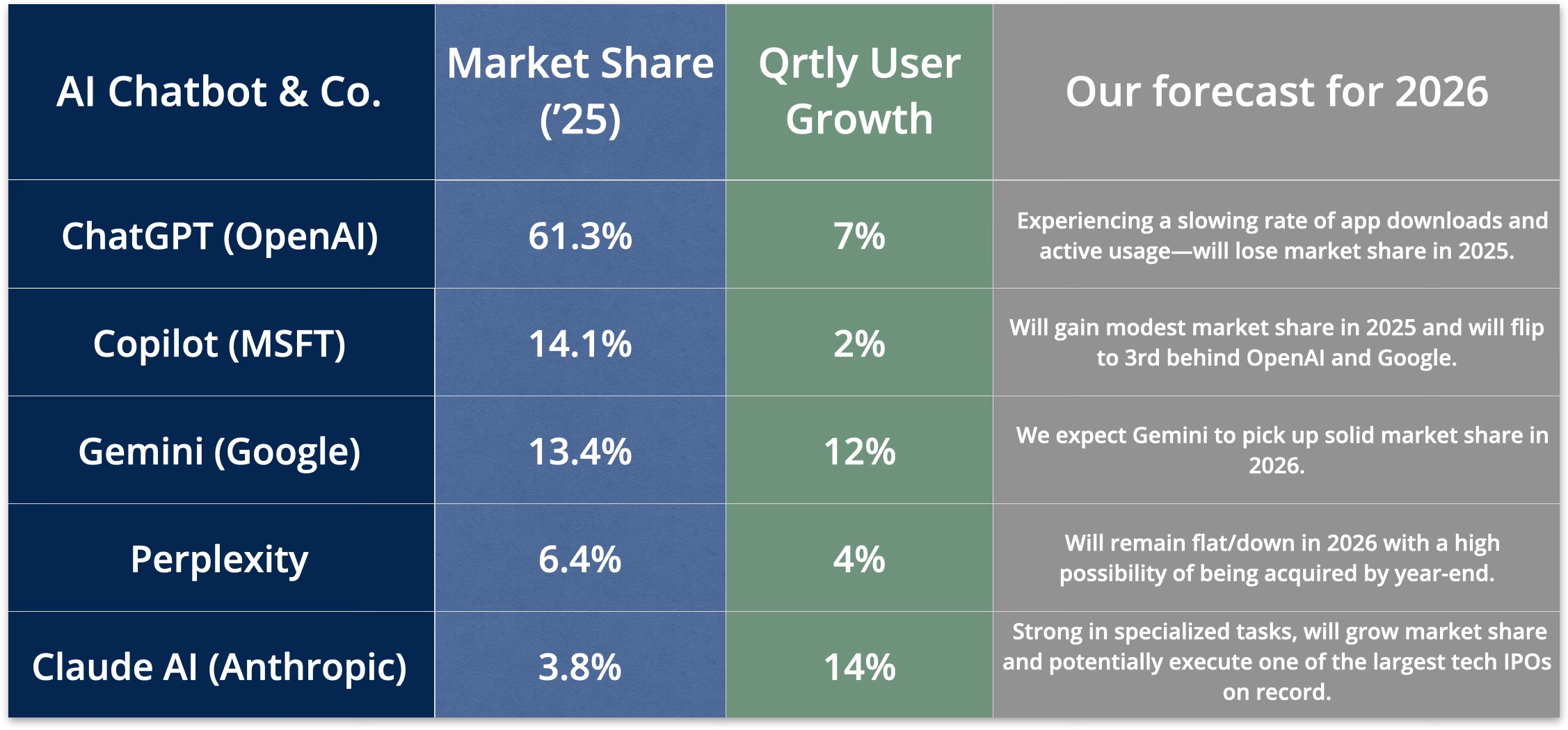
Our Call: OpenAI loses leadership amid CEO overstretch, lawsuits, and competition from Perplexity, xAI, Anthropic, DeepSeek and the Almighty Google (Genesis)
Thinking Machines Lab founder Mira Murati raised $2 billion in VC in 2025 from Andreessen Horowitz (lead), NVIDIA, Accel, ServiceNow, Cisco, AMD, and Jane Street.
Perhaps most ominously, a leaked internal memo from OpenAI CEO Sam Altman to his execs last month revealed deep concerns about the overvalued LLM house. Penned just before Google’s Gemini 3 launch on November 18, the memo invoked ‘rough vibes’ and a shift to ‘wartime footing.’ Mr. Altman acknowledged Google’s strong progress and warned that potential revenue growth could slow to single digits amid economic headwinds.
We invite our most loyal Cryptonite Rap readers to join us in this historic journey. Become a Cryptonite Original!
IPO market opens up—but not as much as we thought
Our Call: We bet 25+ tech unicorns would stage their IPOs, led by AI firms like Cerebras, SambaNova, Groq—none of which happened.
Whopping it up with Circle CEO Jeremy Allaire on IPO day! CRCL’s IPO debuted at $31. and the current price is ~$82.
How We Did: There were only 11 AI/Crypto/Robotics IPOs in a market that was grappling with an overvalued AI private company market. AI pioneer CoreWeave (CRWV) IPO’d at $40 and has nearly doubled to ~$78.87. Robot company Figure’s (FIGR) IPO price was $25, and it now trades at ~$45. Crypto debuted stablecoin provider Circle Internet Group(CRCL) with an IPO at $31. and current price ~$82, and trading platform Bullish (BLSH) that went public at $37 and trades at ~$46.
Washington gets its Crypto House in order
Our Call: Trump makes U.S. ‘Crypto Capital’ with regs, Bitcoin reserve, and preempts restrictions on AI innovation
How We Did: Textbook execution. The Bogeyman delivered on his promise to position the US as the undisputed ‘Crypto Capital of the World.’
Key US achievements in 2025:
The Strategic Bitcoin Reserve: In 2025, the US government’s BTC holdings grew from 200,000 to 327,000 BTC—worth $28.8 billion as of 12/26/25—accumulated via government seizures and forfeitures. The US is the largest holder of BTC, followed by China at 194,000 BTC and the UK with ~61,000 BTC.
The Digital Asset Market Clarity Act (CLARITY Act) provided entrepreneurs with crucial regulatory clarity by classifying non-stablecoin digital assets, such as Bitcoin, Ethereum, and genuine utility tokens, as commodities under CFTC oversight rather than SEC securities. Founders can now issue and distribute utility tokens more freely to fund projects, reward users, and build networks without fear of retroactive enforcement.
GENIUS Act: Passed the first comprehensive federal framework for dollar-backed stablecoins, requiring 1:1 reserves, audits, transparency, and anti-money laundering compliance.
The SEC, under new leadership, approved in-kind creations/redemptions for spot Bitcoin/Ether ETFs, generic listing standards for additional crypto ETPs (paving the way for Solana, XRP, Dogecoin, and more), and over 15 new ETFslaunched or streamlined.
US adult crypto ownership climbed to ~28% (up from ~20% pre-administration), driven by regulatory certainty, institutional inflows, and ETF accessibility. America is now firmly on track to become the global hub for digital assets — innovation thriving, dollar dominance reinforced by stablecoins, and strategic reserves secured.
BigTech tightens its belt, anticipating AI as a massive productivity multiplier across the modern enterprise.
DOGE job cuts inspire BigTech efficiency
Our Call: DOGE slashes bureaucracy; Google, Meta, Microsoft, Apple follow with efficiency (often AI-powered) driven layoffs.
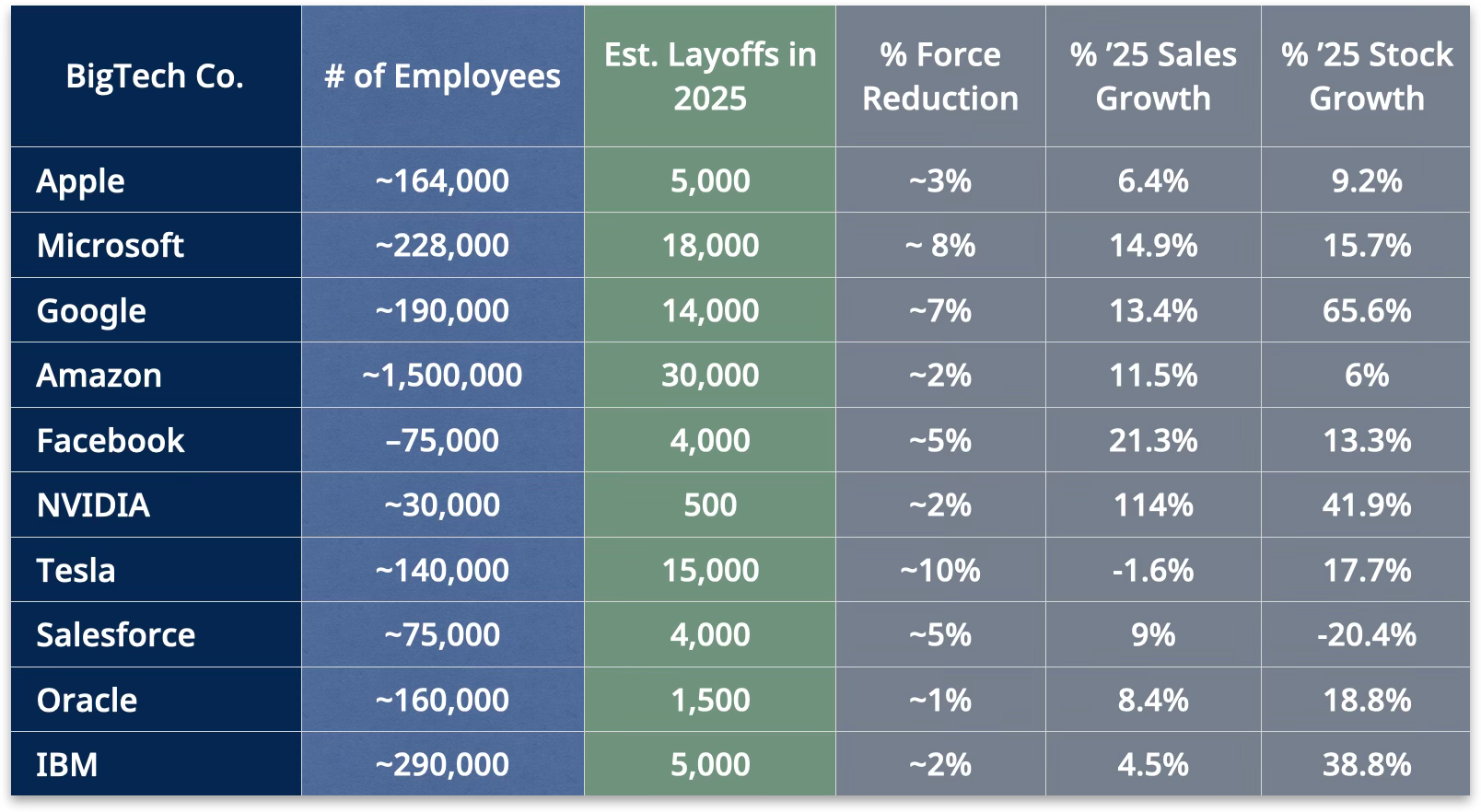
How We Did: In 2025, DOGE cut over 300,000 government jobs, and upwards of 200,000 jobs were eliminated (AI efficiency cited for 50K of the layoffs), across more than 250 tech companies. While direct causation is hard to prove, there is substantial evidence that DOGE’s high-profile push for ‘efficiency’ created a cultural and economic narrative that normalized aggressive workforce trimming— even amid booming sales and profits. It served as a signal to the private sector that it’s okay—and even savvy—to prioritize leanness over headcount, especially when tech giants were already eyeing AI as a productivity multiplier.
Banks Admit Commercial Office Bust
Our Call: We recognized that the CRE sector faced a $1T wall of maturing debt in 2025 and 34% vacancy rates, which could drive our economy into a recession akin to the Internet (2000) and Housing (2008) bubbles.
How They Did: Overall, the commercial real estate (CRE) office sector experienced a prolonged downturn in 2025, with vacancies peaking at 35.2% in 2025, and $1.2T in loan defaults.😳 This collapse in the CRE market has been driven by post-pandemic hybrid work trends, high vacancies, and refinancing challenges from maturing debt originated in low-interest-rate years.
Office sector’s limited economic footprint: Representing only ~2-3% of GDP, the downturn remained isolated without broad spillovers to consumer spending or employment.
Managed loan resolutions: Lenders extensively used extensions, modifications, and “extend-and-pretend” strategies on ~$957B in maturing CRE loans, preventing mass defaults and a sharp credit crunch.
Contained defaults and bank resilience: CRE delinquency rates stayed low (1-2% overall), with losses absorbed by banks without systemic failures or widespread foreclosures.
Strength in other CRE sectors: Robust performance in industrial (e.g., data centers), retail, and multifamily offset office weakness.
Broader economic resilience: Sustained consumer spending, AI-driven investment, and positive GDP growth (~2% annual) supported overall activity.
Policy support: Extensions and renewals of Trump-era tax cuts (e.g., bonus depreciation, lower rates) boosted business investment and cash flows, cushioning the impact.
The top citizen journalists continue to beat corporate media news in views and unique viewers.
Citizen journalism solidifies its role
Our Call: Citizen journalism continues to diminish and be replaced by corporate media; AI misinformation watch ramps up.
How We Did: All the signs point to people moving away from corporate media outlets that no one trusts.
Reuters also noted that social media and video platforms (including Facebook, YouTube, TikTok, Instagram, and X) have become the most widely used source for news, with 54% for Americans, and they also narrowly overtook traditional TV (50%) and news websites/apps (48%) for the first time.
Key to this shift is that journalists are increasingly moving away from legacy media for Substack, video and audio podcasts, and building their own audiences.
In the above August 2024 video clip, citizen journalism pioneer Megyn Kelly celebrates her YouTube channel’s first billion-view milestone and crushing corporate news outlets, including NBC News, CBS News, Sky News, BBC News, and CNBC in viewership by notching 116.8 million views in the preceding July. This clip includes one of her vintage ‘classy’ retorts to her detractors, still twirling down the legacy media toilet bowl, and who did their ‘level best’ to make sure MK would ‘never have a microphone in front of her again.’
We do not always agree with Ms. Kelly, but we will go as far as to say, as fellow independent journalists, we do love her. MK and her team of six leverage her legal and journalistic background and, importantly, adhere to true journalistic standards to dodge fake memes and conspiracy theories, focusing on the facts—with her unfiltered opinion, of course. But, in the tradition of The Economist, my old Red Herring, and Cryptonite, and unlike modern corporate-owned ‘journalists’, MK is transparent with her worldview, so agree with her or not, you know where she stands. She is also one of our favorite comedians as well.🤣
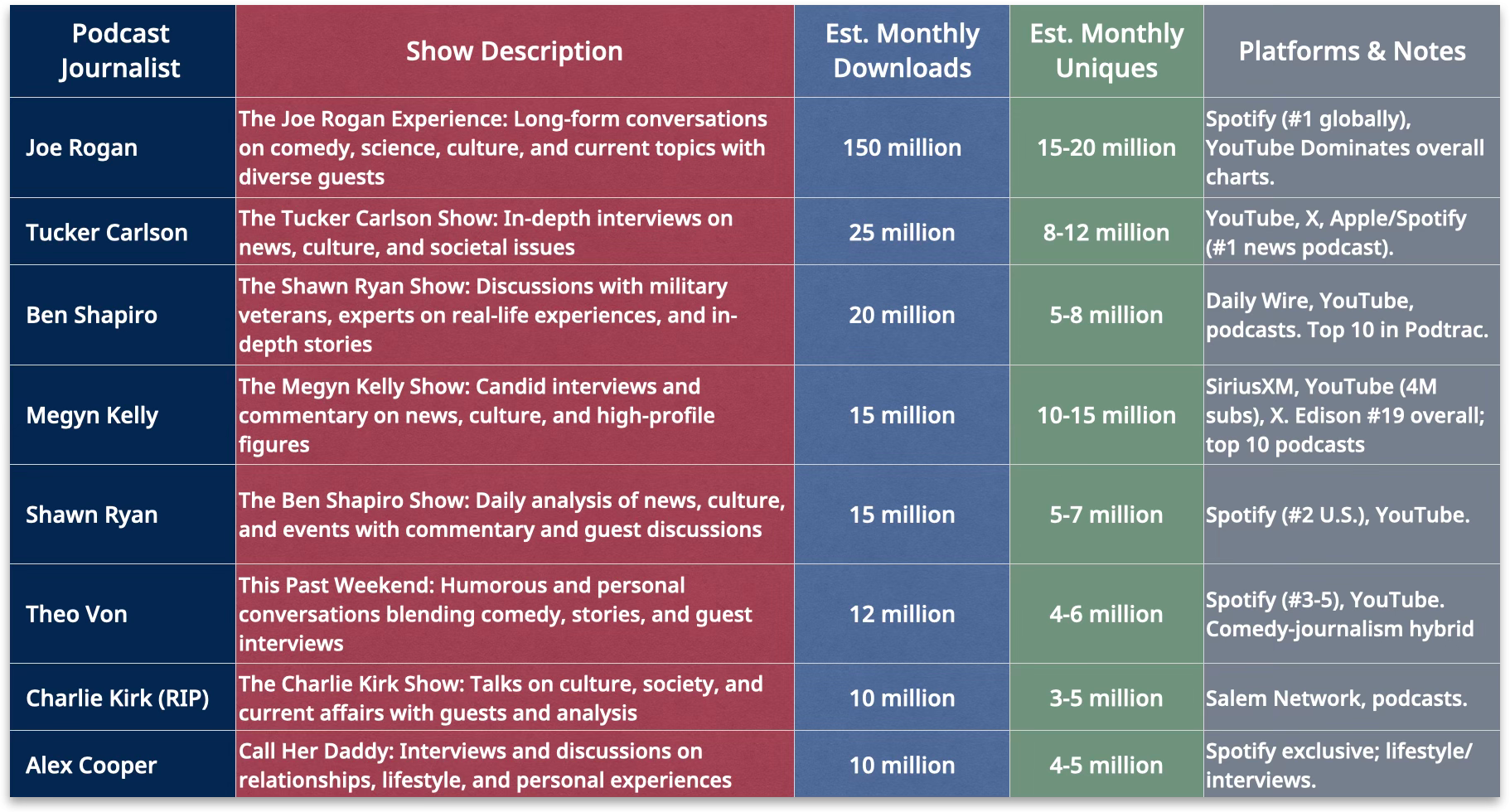
Hint to aspiring media news entrepreneurs: This is the winning opinion news model for the Web3 era (and remembering that we are all in the entertainment business, fighting for eyeballs). The top 10 list above proves our point.
To borrow from MK’s softer words—You can’t shut us up!
—Anthony Perkins, founder & editor, Cryptonite
The reinvention of the Democratic Party
Our Call: Plea for Dems to ditch the elites and Super Donor class, and return to its peace and freedom-loving, working-class roots.
How We Did: This was more of an appeal than a prediction, but either way, it didn’t come true. Simply put, US citizens (as documented by Gallup Polls since 1999), no longer, and will never again, trust centralized institutions. In other words, the ‘We know better for you than you know for yourself’ smugness and cozying up to bored, aging actors, and people who live behind high walls surrounded by people with guns is political suicide.
The politics that will win in the New Era will provide a roadmap to returning power and privacy to The People. With dApps, AI, and the Bitcoin metaphor to power us, it will happen. That we promise. It took us 20 years to take-down corporate media led by YouTube and X (founded in 2005, and 2006 respectively)—and we think we can cut this timeline in half if not much less.
Our advice: We collectively need to abandon political labels (we have as a matter of editorial policy) and identifying too closely with any political party brand, as their nature and characterization have changed so dramatically none of the old definitions do not hold up anymore.
Reclaiming our identities back from corporate media, political parties, and the ideological swarms on social media is also a supreme exercise for better mental health, especially in the post-COVID era. Think how free we will feel living by our own talking points built upon our individual journeys, personal experiences, study and imagination.🫠
This is the basis for a winning political agenda in the Web3 era.
‘All animals are equal, but some animals are more equal than others.’ Here we go again—Gook luck NYC!
Real estate Investment tip: Short Zohran
We will be buying a sweet flat in the West Village for our NY-editorial and podcast studio in the next few years, when we think the real estate market is close to bottoming out. Why? Well, one, we are Silicon Valley nerds who wish so desperately to be fashionable. And, two, soon there will be a City government whose agenda is more anti-Web3 and Animal Farm pig-like than any Big City Mayor’s administration in the US. The Big Government, centralized power approach in the Web3 era is an anti-trend. The billions lost by fraud within Minnesota’s bureaucrat-run social services system is a case in point. Centralizing more power in NYC government will only lead to more chaos, fraud, and economic destruction—and keep deflating real estate prices—in the City we all love.
Our Call: Google’s Willow + IBM’s supercomputer chips and quantum computing will unlock AI, drug discovery, genomics and other major breakthroughs.
How We Did: Quantum computing has reached a pivotal Big Bang moment in 2025, transitioning from theoretical promise to practical, verifiable advancements in hardware, error correction, and real-world applications that are reshaping industries. An example included faster molecular simulations for chemistry and physics, as well as enabling complex optimizations in finance, logistics, and AI.
PsiQuantum, Photonic quantum computing hardware, Total VC $ raised ~$2.32B, Last Funding: Sep 2025, Top VCs: BlackRock, NVIDIA’s NVentures
Quantinuum, Trapped-ion quantum hardware & software, Total VC $ raised ~$1.2B, Last Funding: Sep 2025, Top VCs: NVIDIA’s NVentures
QuEra Computing, Neutral-atom quantum hardware, Total VC $ raised ~$247M+, Last Funding: Feb/Sep 2025 (extensions), Top VCs: SoftBank Vision Fund, Google Quantum AI, NVIDIA’s NVentures
Quantum Machines, Quantum orchestration/control platform, Total VC $ raised $280M, Last Funding: Feb 2025, Top VCs: Intel Capital, Battery Ventures, PSG Equity, Red Dot Capital Partners
Classiq, Quantum software development platform, Total VC $ raised ~$200M+, Last Funding: Nov 2025, Top VCs: AMD Ventures, Qualcomm Ventures
Quantum Art, Trapped-ion quantum hardware, Total VC $ raised $124M, Last Funding: Dec 2025, Top VCs: Battery Ventures, Bedford Ridge Capital
IQM Quantum Computers, Superconducting quantum hardware, Total VC $ raised $600M, Last Funding: 2025, Top VCs: Ten Eleven Ventures
Multiverse Computing, Quantum-inspired software for AI/finance, Total VC $ raised ~$326M, Last Funding: 2025, Top VCs: CDP Venture Capital, Edison, Baker Hughes, BNP Paribas
Nu Quantum, Quantum networking/photonics hardware, Total VC $ raised ~$72M, Last Funding: 2025, Top VCs: National Grid Partners, Gresham House Ventures, Morpheus Ventures, Amadeus Capital Partners
PQShield, Post-quantum cryptography software, Total VC $ raised ~$65M-$70M, Last Funding: 2025, Top VCs: Addition
Q-CTRL, Quantum error suppression and control software, Total VC $ raised ~$172M (including extensions), Last Funding: 2025, Top VCs: DCVC, Main Sequence Ventures
Our overall grade: A-
We didn’t quite bat a thousand... but almost! These wins helped our paid members crush it in 2025 if they took our advice—our average private, public, and crypto index of companies based on our trend presumptions shows a 2025 YTD return of 85%.
If you subscribed early, congrats! If not, join now for our 2026 predictions (spoiler: Private AI agents become THE fashion, crypto market cap doubles and blows through $6 trillion, and AI, dApp, and crypto startup IPO and M&A transactions exceed $2.5 tillion.)
What do you think—did we miss anything? Drop your takes below or email theeditor@cryptoniteventures.com with new insights on innovation trends. Let’s keep prospering in 2026!
Feliz Año Nuevo, The Editors @ Cryptonite
Dear Readers,
💡 We’re a community-supported site, with the goal to keep our content free for thousands of young readers worldwide. Subscribe now at a 33%-discount for just $6/month—the price of a medium cup of designer coffee—and help power Cryptonite. 🚀
🔒 Paid members also unlock perks, like early access to our next-generation Web3 company research, reporting, and analytics, special event invites, and discounts.
Your subscription fuels the decentralization of power movement—and proof that independent, transparent voices, with whom you might not always agree, but trust, have the power to own their voice and content.
Thank you for being part of the journey. — The Cryptonite Team. Huff Puff 😅
Special offer: Act now and get 33% off our regular rate, plus receive 300 Cryptonite PRO (CPRO) coins and a ‘Cryptonite Original’ NFT badge.💎
Impressive retrospective on the OpenAI market share callout. The drop from 50% to 22% while Anthropic doubled theirs tells me this was less about product gaps and more about structural overreliance on a single model paradigm. I've watched several teams migrate off OpenAI this year becuase they realized vendor lock-in risk, and that internal memo about wartime footing just confirms the existensial pressure they're under now.














Impressive retrospective on the OpenAI market share callout. The drop from 50% to 22% while Anthropic doubled theirs tells me this was less about product gaps and more about structural overreliance on a single model paradigm. I've watched several teams migrate off OpenAI this year becuase they realized vendor lock-in risk, and that internal memo about wartime footing just confirms the existensial pressure they're under now.