

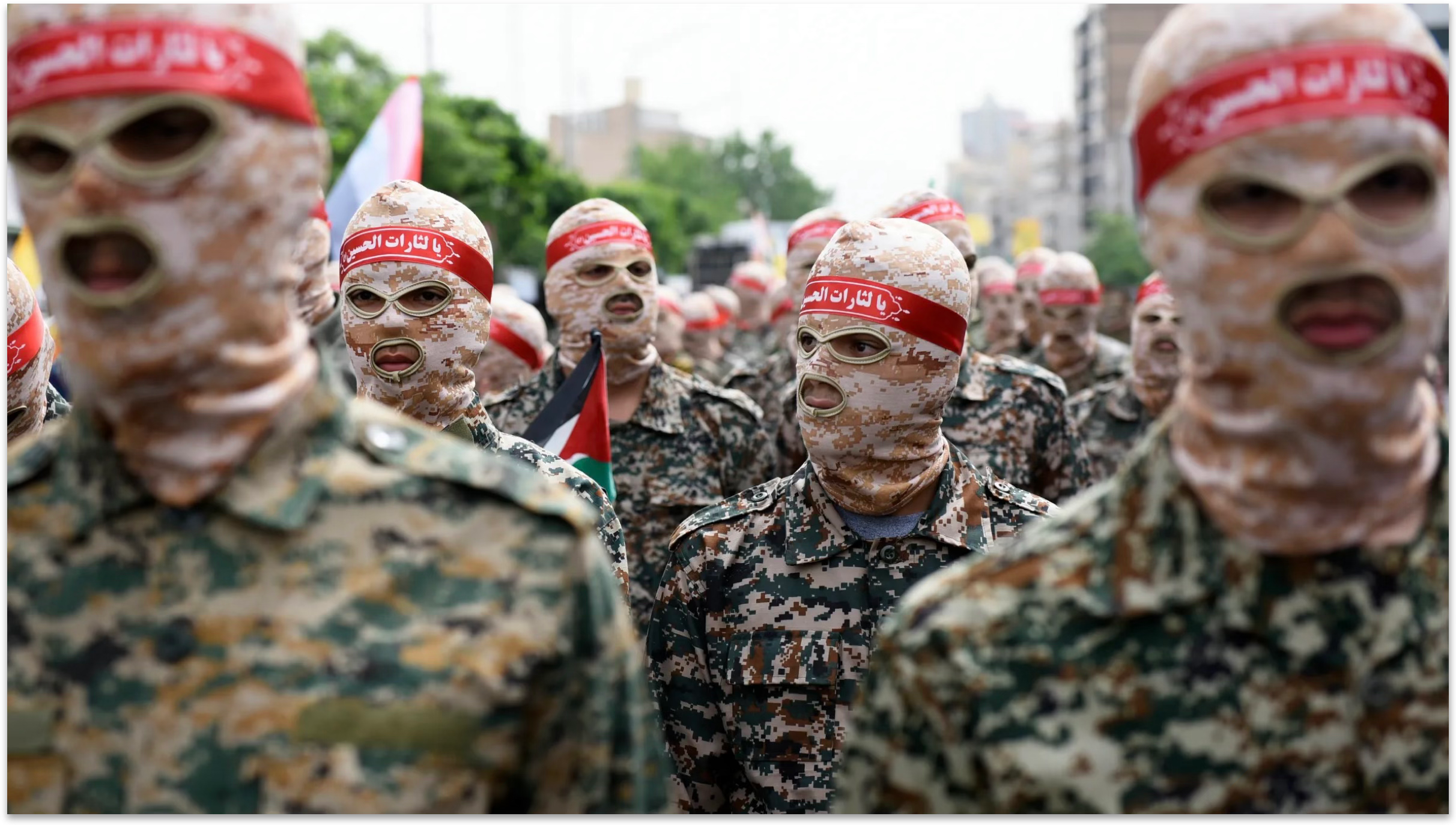
The Iranian radical Shia clerical regime will fall, and its people will be freed
One of our January 1 predictions for 2026 anticipated an Iranian regime change. Late December was filled with protests calling for regime change that spread to over 180 cities across Iran. The regime retaliated by killing 2,000+ protestors (this number has risen to 45,000, as daily executions to silence the opposition continue) and 18,000+ arrests (now over 50,000). The tipping point for us was the historically pro-regime bazaar merchant class (known as ‘bazaaris’) joining in the call for regime change and democratic transition. Protestors were chanting ‘Death to Khamenei’ and ‘Seyed Ali (Khamenei) will be overthrown.’

This was not just symbolic; bazaar strikes paralyzed commerce and signaled broader elite discontent. The devaluation of the rial to over 1.4 million to the dollar, 40% inflation, a severe drought in its sixth year, nightly electricity blackouts, and deadly air pollution that shut down schools and businesses were simply too much for Iranians to bear. The key difference between the 2026 protests and previous ones was that the richest and poorest of Iran, the most religious and the most secular, joined together in calling for regime change.
We admit that part of our hope for change in Iran was driven by our deep affection and appreciation for the Persian people of Silicon Valley, whose families arrived in the wake of the 1979 Revolution. Collectively, these amazing people have added entrepreneurial energy and innovation expertise far beyond their numbers, along with great food and festivity to our often monochromatic tech culture.
Back in January, of course, we could never have imagined where Iran — and the U.S. — stands today in the pursuit of an overthrow of the theocratic regime. But here we are, and we will be bold once again. Our original hope for change in Iran has now become 90% certain in our eyes.
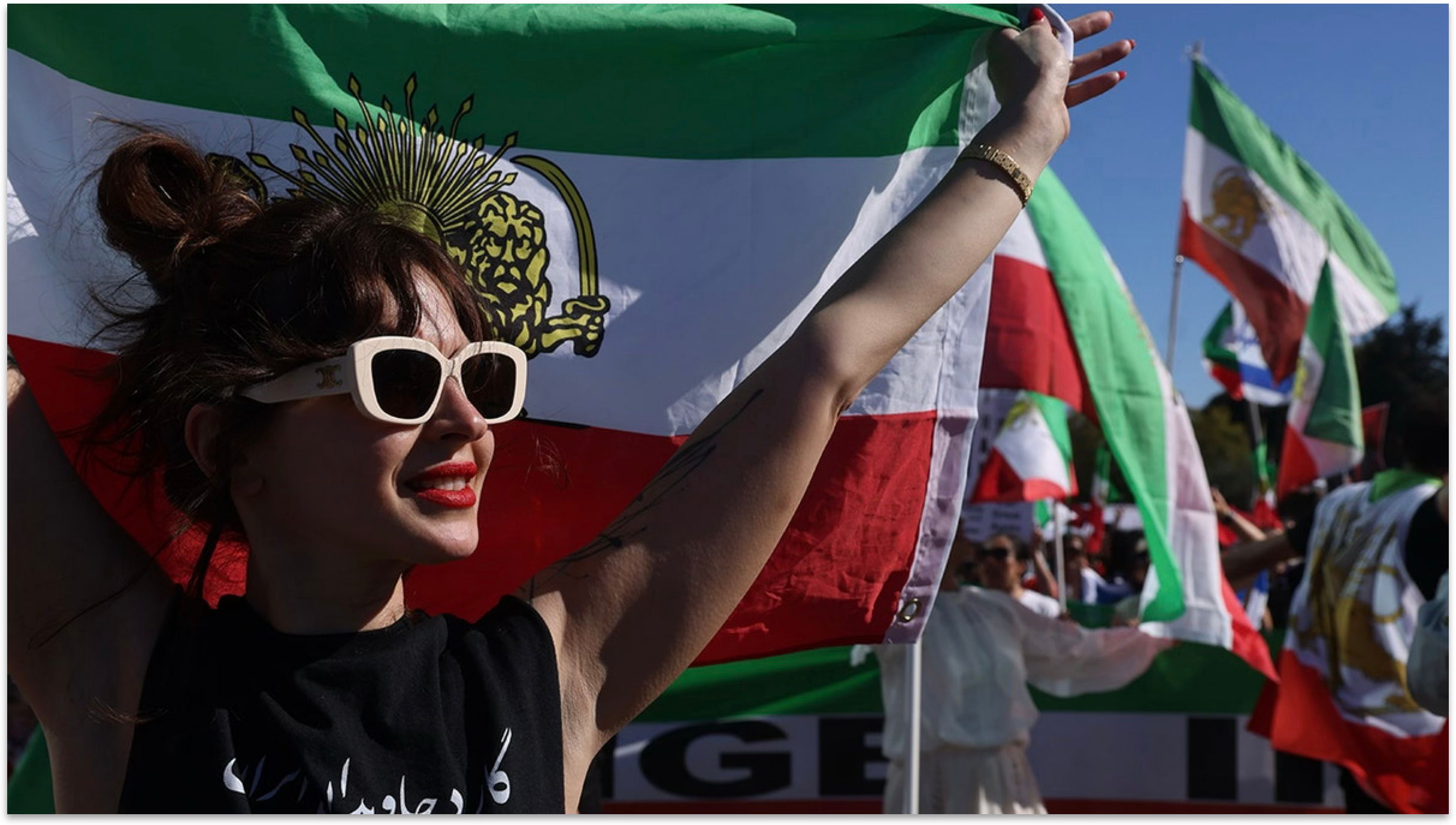
The Iranian diaspora erupted in celebration on February 28–March 1, 2026, after news broke of Khamenei’s assassination during US-Israeli strikes. The woman above, proudly holding a pre-1979 Lion and Sun flag, was one of thousands who gathered in Westwood, Los Angeles — known as “Tehrangeles.” Surveys consistently show 90%+ support for regime change as a precondition for meaningful progress among the ~100 million Iranians, both inside the country and in the diaspora.
The Iranian regime’s 47-year track record of terror
For 47 years since the theocrats seized power in Iran, the United States — branded by the regime as the “Great Satan” — has lived under the constant threat of Iran’s motto, “Death to America” (in Persian: Marg bar Āmrikā — مرگ بر آمریکا). During this period, Iran and its proxies (primarily Hezbollah, Shia militias in Iraq, and Hamas) have been responsible for more than 1,000 American deaths and over 4,000 injuries from suicide bombings, blast injuries, traumatic brain injuries (TBIs), shrapnel wounds, and long-term effects — the vast majority of them U.S. service members, along with civilians and diplomats. This came after the regime held 66 Americans hostage for 444 days in 1979–1981.
Our not-so-lovely reminders of Iranian-backed terror
1983 Beirut bombings: Iran-backed Hezbollah killed 17 Americans in the U.S. embassy attack and 241 U.S. service members (220 Marines) in the Marine barracks truck bombing — one of the deadliest terrorist attacks on Americans before 9/11. Dozens of other foreigners and Lebanese also died.
1996 Khobar Towers bombing (Saudi Arabia): Iran-backed Hezbollah al-Hejaz murdered 19 U.S. airmen and wounded nearly 500 others.
1994 AMIA bombing (Argentina): Iranian agents and Hezbollah bombed a Jewish community center, slaughtering 85 people (mostly Argentine Jews) and wounding hundreds.
2003–2011 Iraq War: Iranian-backed Shia militias, armed with IRGC-supplied EFPs and advanced weapons, killed at least 600+ U.S. troops and thousands of Iraqi civilians and security forces.
October 7, 2023, Hamas massacre (Israel): Iran-backed Hamas slaughtered 1,200 people, including 46 Americans, in a single day of barbarity — rapes, burnings, and executions of civilians.
The Iranian regime also has a long, brutal history of sacrificing its own children. It has recruited boys as young as 9–12 for combat roles, mine-clearing operations, and checkpoints — tens of thousands died as so-called “student martyrs” during the Iran-Iraq War alone.
“The Iranian people are phenomenal — but they deserve a lot better than what they have —which is a radical Shia clerical regime that has , for 47 years, taken that country’s wealth — not to build roads or bridges, or healthcare systems or universities — not to build a better or more prosperous economy — but they have used that wealth to sponsor terrorism, build rockets, build drones, build sea mines, and tried to kill people and Americans all over the world — and this had to be dealt with. We now have a president who is not going to allow that to continue to happen unfettered.”
—Marco Rubio, U.S. Secretary of State
How the U.S. will win by regime change
Here are the major benefits to the U.S. if Iran rids itself of these ideologically driven killers and becomes a free country:
Permanent elimination of the Iranian nuclear threat: The U.S. could work with a new leadership to verifiably dismantle the program, surrender its enriched uranium stockpiles, and forsake nuclear ambitions forever.
Dramatically reduced terrorist threats, fewer American lives at risk, and broader Middle East peace: Cutting off funding to proxies like Hezbollah, Hamas, and the Houthis would shrink the global terror network overnight. No more state-sponsored attacks, deadly drones, or missiles aimed at U.S. forces and civilians.
Weakens the “Axis of Resistance” that ties Iran to China, Russia, and North Korea: Sends a powerful message to China, Russia, and North Korea that America will not tolerate nuclear proliferation by its adversaries, and demonstrates that alliances with rogue regimes come at a steep strategic cost.
Huge savings on U.S. military spending: Removing the chief destabilizer in the Middle East would allow America to reduce expensive deployments, carrier groups, and constant deterrence operations there.
New American jobs, exports, and investment opportunities: Iran’s vast oil reserves, young population, and strategic location would open legitimate trade for U.S. companies in energy, agriculture, tech, and infrastructure. Sanctions relief and a cooperative partner would strengthen supply chains and deliver real economic gains at home.
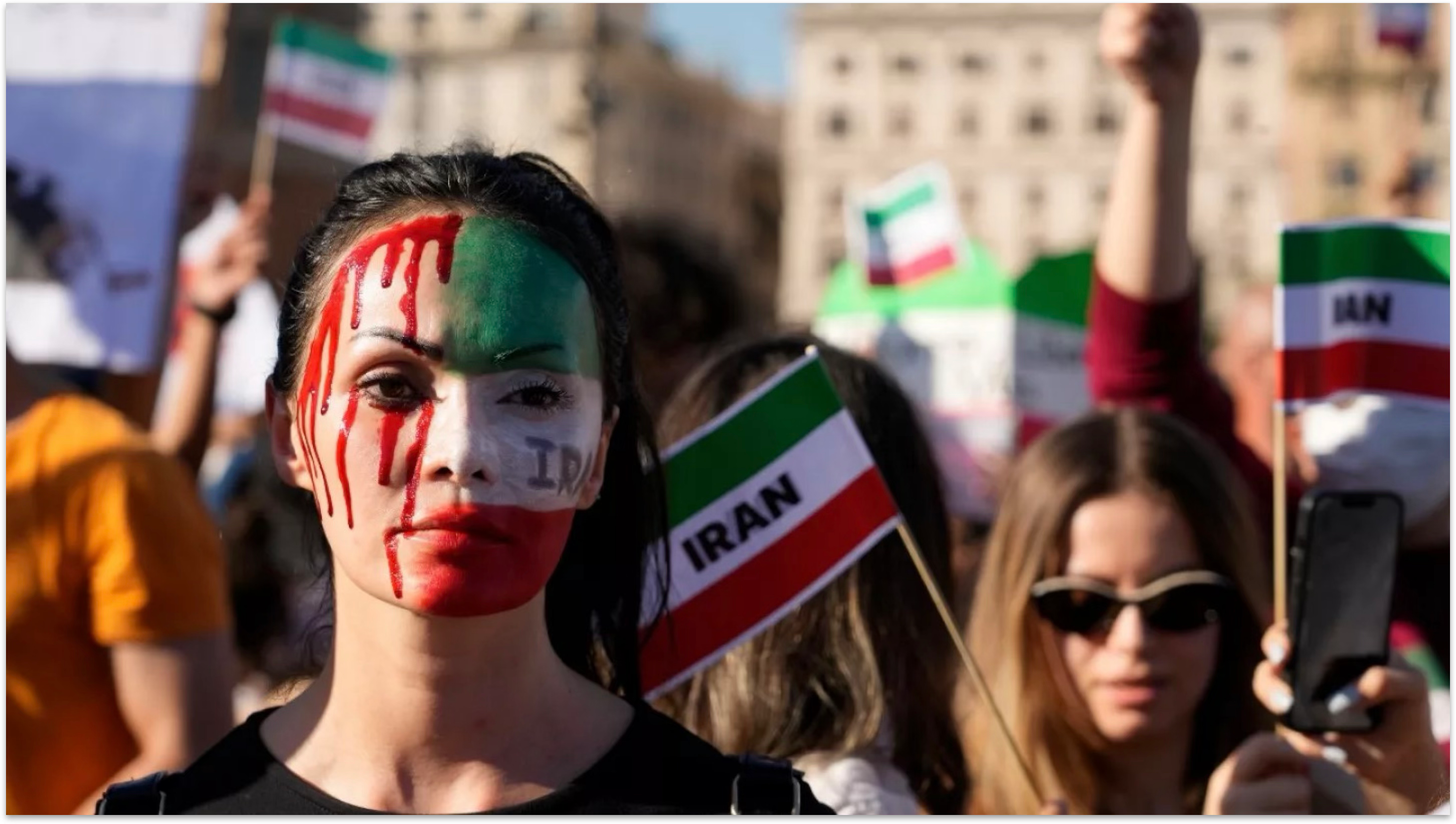
Iranian women are denied basic autonomy by compulsory hijab laws that criminalize “improper” dress with fines, imprisonment, flogging, or worse, while husbands can restrict their travel, work, and movement.
How the Iranian people win
A regime change to a representative government is the clear will of the overwhelming majority of Iranians, both inside the country and in the diaspora. For the Iranian people, success means real economic recovery: sanctions lifted, oil fields reopened to investment, hyperinflation crushed, and actual jobs returning so families can finally escape poverty. It restores basic political and personal freedoms, especially for women— repression ends, political prisoners are freed, free speech returns, and government serves the people instead of feeding a corrupt ideological machine. The diaspora could safely return home, reuniting families and helping rebuild a modern, globally integrated Iran.
Iranians are very passionate about their roots and proud of their historical contributions to science, mathematics, religion, and philosophy. Unleashing these incredible people will do great things for the world. In Silicon Valley, we know this firsthand through our experience of their boundless energy and creativity.
Israel’s biggest existential enemy will be gone
For Israel, this would be existential relief. The Iranian regime’s explicit goal of wiping Israel off the map — funded through proxies, missiles, and its nuclear program — would disappear overnight. No more daily rocket barrages or October 7-style massacres. Israel could shift precious military resources from constant multi-front defense to building prosperity, while broader regional normalization (building on the Abraham Accords) becomes far more realistic, lowering tensions and opening genuine economic ties across the Middle East.

A growing number of female Israel Defense Forces (IDF) infantry soldiers are fully integrated into combat roles and equipped for high-intensity operations, in one of the world’s few militaries with mandatory conscription starting at 18 years old for both young men and young women.
Where the U.S. stands today with Iran
Last weekend’s high-level talks between the U.S. and Iran collapsed after 21 hours of face-to-face negotiations in Islamabad, Pakistan, broke down primarily because Iran refused to abandon its nuclear weapons ambitions. This U.S. demand was described as a non-negotiable red line. Iran called these demands “excessive” and “maximalist,” with Foreign Minister Abbas Araghchi.
Iran insists on retaining what it calls its “inalienable right” to nuclear enrichment, demands continued control over the Strait of Hormuz, seeks full sanctions relief and war reparations, and has shown zero willingness to make the core concessions needed to end the conflict. As one Iranian official put it, the regime will “never renounce its stated rights to possess peaceful nuclear capabilities.” We believe them and can only deduce that they are on a suicide mission.
The Hormuz blockade with no help from our ‘friends’
After the breakdown of talks, the Bogeyman immediately posted on Truth Social: “Effective immediately, the United States Navy… will begin the process of BLOCKADING any and all Ships trying to enter, or leave, the Strait of Hormuz… Any Iranian who fires at us… will be BLOWN TO HELL!”
Even as the U.S. handles the risky naval blockade largely alone, over 30 countries are now coordinating a separate “strictly defensive” mission to reopen safe navigation once the shooting stops. These countries include the biggest beneficiaries of an open strait such as Japan (~90% of oil passes through the Gulf via Hormuz), South Korea (~70% of its crude imports), the UAE and other Gulf exporters (who ship massive volumes through it for revenue), plus Europeans like the UK, France, Germany, and Italy (~5% of EU crude imports). All nations, of course, have been slammed by the oil price spikes and higher inflation.
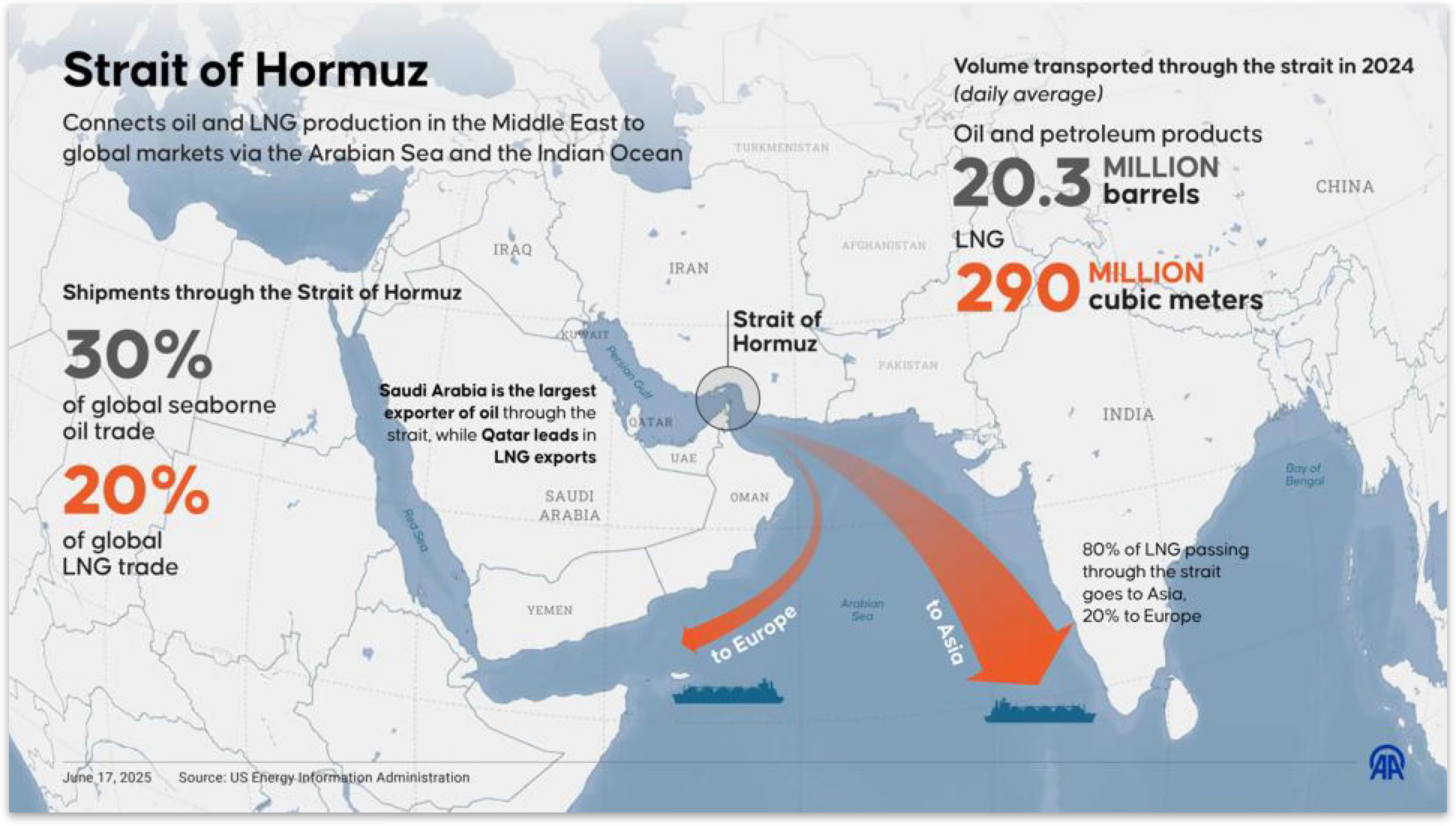
This infographic displays daily oil and LNG volumes moving through the Strait of Hormuz. It notes that the strait carries about 30% of global seaborne oil trade and 20% of global LNG trade, both of which are mostly bound for Asia.
Since this is “America’s War”, they all flat‑out refuse to join the upfront pressure. An attitude that will most certainly be reciprocated by the U.S. when we invariably dramatically decrease our taxpayer support for NATO, and redirect it to where it better serves our strategic interests against our true peer adversary—the CCP.
The E.U.’s Sugar Daddy no more
Our NATO allies cling to ‘quiet diplomacy’ while America does the heavy lifting—with seeming amnesia about 47 years of failed talks that let Iran build nukes, missiles aimed at them, and murder dissidents worldwide. It’s the same timidity driving their plunging birth rates and immigrant-fueled cultural decline.
Trump acts, Silicon Valley-style: gets shit done. We thrive as Europe sinks.
When the U.S. hammered Iran’s military, nukes, and evil leaders, “allies” denied airspace, bases, and Strait of Hormuz help, as their oil prices spiked and their economies tanked. Why? They loathe the hand that secures them. It was never about principle—pure political expediency.
Their only glimmer of hope: Young British men (16–25) are turning culturally realist—prioritizing immigration controls to fix housing crises, overcrowded schools, surging crime, and sovereignty threats. They see Trump/Farage leadership works: direct, unapologetic, results-driven. This attitude is being mirrored among young men across several EU countries, including Germany, France, and the Netherlands.
NATO? We’re one of 32 nations in NATO, so we can pay 1/32nd like Canada (1.5%)—not shouldering 60%of the costs—while Europe lectures and treats us with disdain. U.S. taxpayers have better strategic bets to make—like confronting our true peer-rival, the CCP.
Our prediction: History will show Europe sat on the sidelines as the U.S. created a safer, freer world in 2026. Thank you very much!
Testimony on why the UK may have passed the point of no return
In his brief interview with Dave Rubin (3 million subscribers), Andrew Gold, fresh from visiting the Hungarian border, represents the quiet shift among younger Brits and Western Europeans disillusioned with establishment politics. A former ‘progressive’ BBC journalist and documentary filmmaker, he was sidelined by DEI policies for being ‘a white man.’ An atheist Jew, Gold now hosts the independent Heretics podcast and YouTube channel, exploring cults, ideologies, and taboo issues. Andrew has evolved toward culturally realist views—prioritizing immigration realism, free speech, and national sovereignty—after seeing institutional failures firsthand. Gold’s journey tracks the broader populist pull: results-oriented leadership over managed decline.
Chances of taking control of the Strait
Even without any help from the countries our taxpayers protect, military assessments give the U.S. an 80–90% probability of taking effective control of the strait within days to a few weeks.
Last Saturday, as talks were ongoing, Trump ordered two US Navy destroyers, the USS Frank E. Petersen Jr. and the USS Michael Murphy, to force their way through and transit the Strait of Hormuz while a hapless IRGC Navy stood down. The destroyers began mine-clearing transits and created — and will soon announce — a safe passage corridor for commercial shipping.
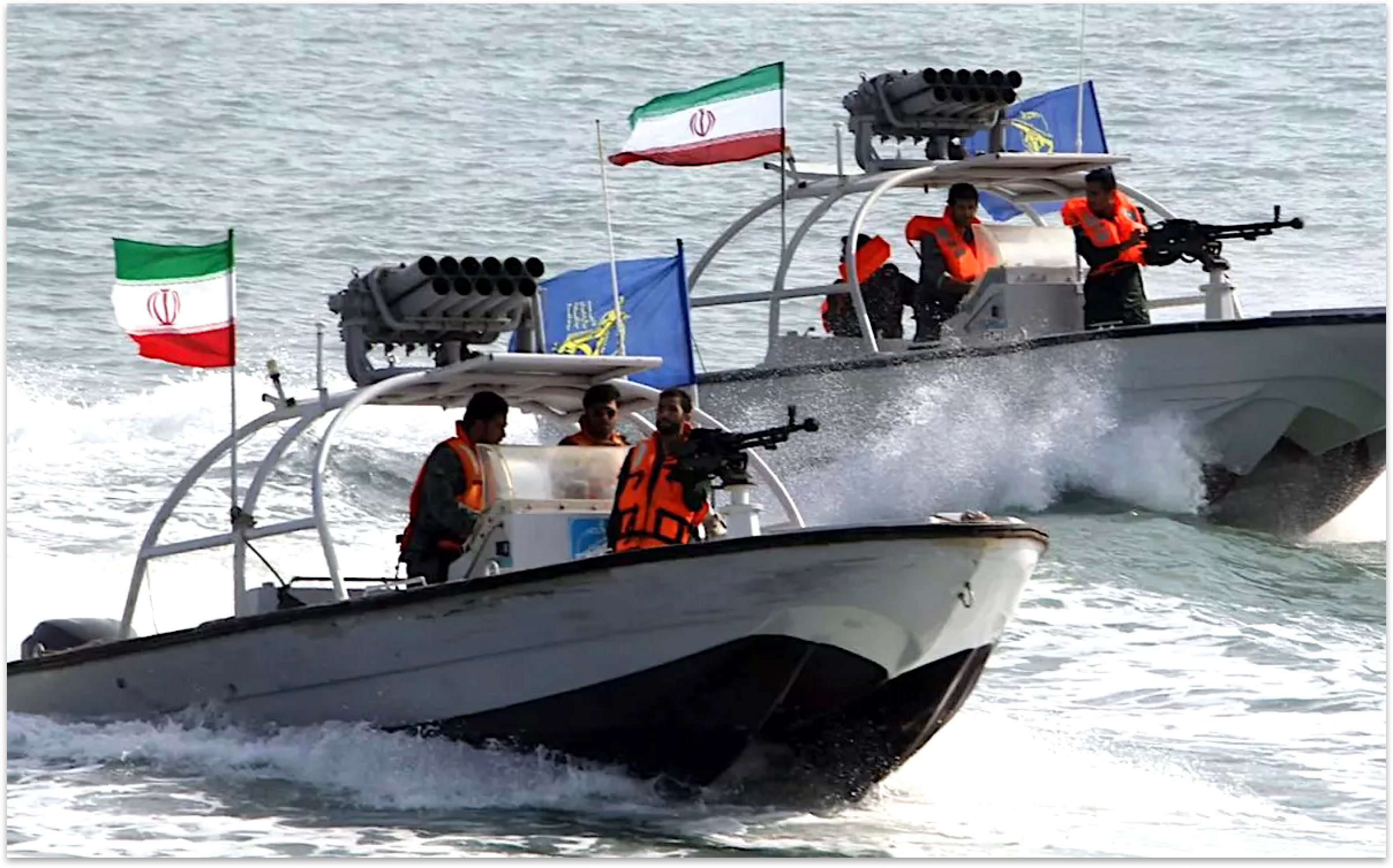
Iranian Islamic Revolutionary Guard Corps (IRGC) fast-attack speedboats, heavily armed with rocket launchers and heavy machine guns, patrol at high speed while flying the Iranian flag and the IRGC Navy emblem.
Ships with no numerical caps will be able to freely pass through the Strait of Hormuz as long as they are not entering or departing Iranian ports or coastal areas. The goal is to cut off Iran’s oil export revenue and its ability to charge illegal tolls or disrupt traffic. The Navy is now positioned to interdict or destroy any remaining Iranian fast-attack boats (speedboats), drones, or other vessels that approach the blockade. The U.S. has already turned back 13 merchant vessels in the first few days while expanding enforcement to include sanctioned ships.
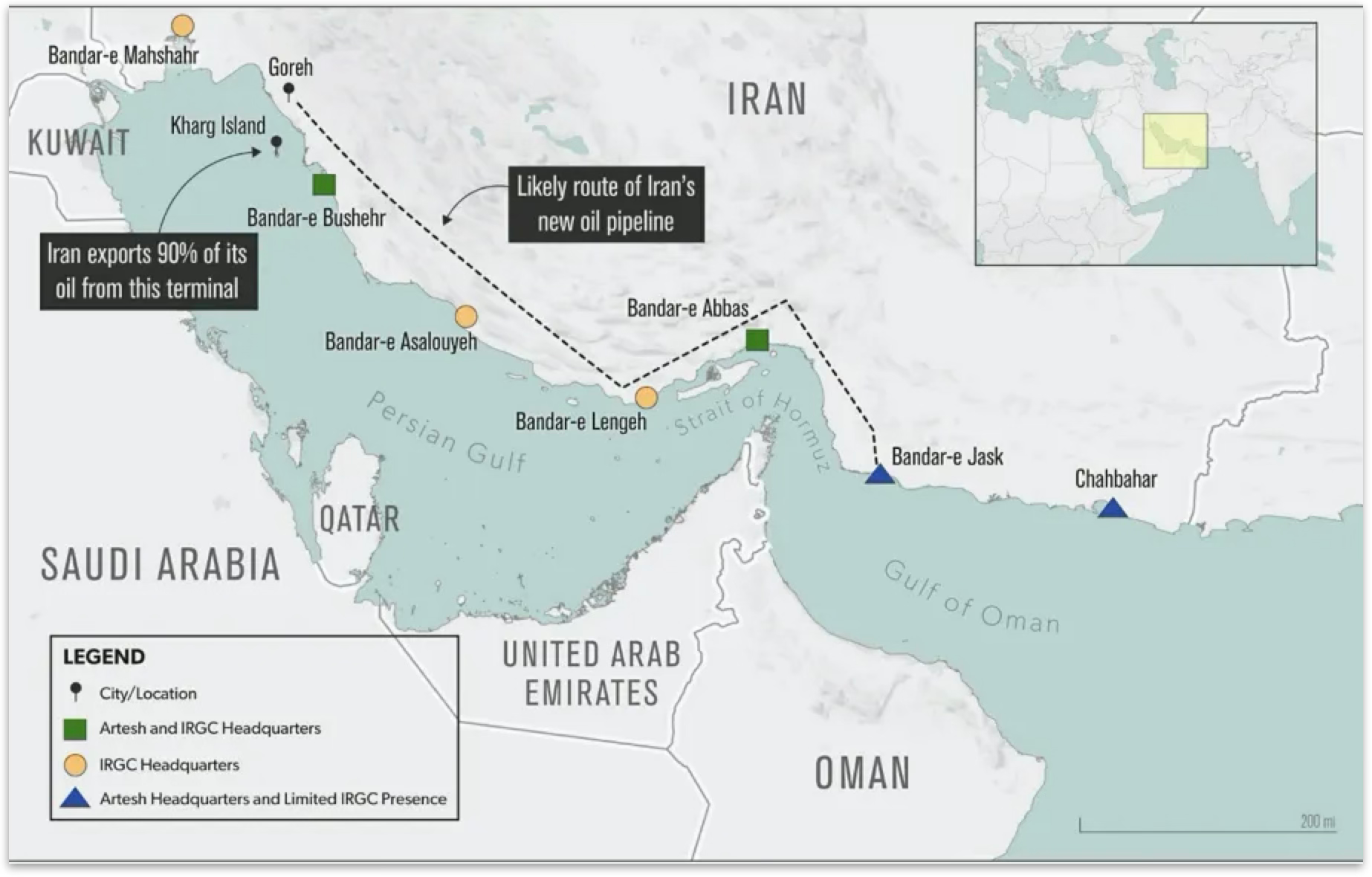
This map details Iranian ports, oil terminals, and strategic sites along the Strait of Hormuz and the Persian Gulf. It highlights locations such as the Islamic Revolutionary Guard Corps. (IRGC) posts, Bandar Abbas, Bushehr, and Kharg Island that give Iran potential control over much of the region’s energy exports.
Controlling Iran’s sanctioned oil flow to China
An additional critical twist is that nearly 90–96% of Iran’s crude oil is loaded at Kharg Island—a coral outcrop roughly one-third the size of Manhattan, located 20 miles off Iran’s southwestern coast. To deliver the oil, Iranian tankers must sail 350 miles southeast through the Persian Gulf and then directly through the Strait of Hormuz.
Once the U.S. and allies secure the strait, they will be able to interdict the Iranian tankers and essentially cut off its seaborne oil exports. Since oil is the regime’s main hard-currency earner, losing that revenue would be devastating — spiking Iran’s inflation even higher and accelerating Iran’s economic collapse.
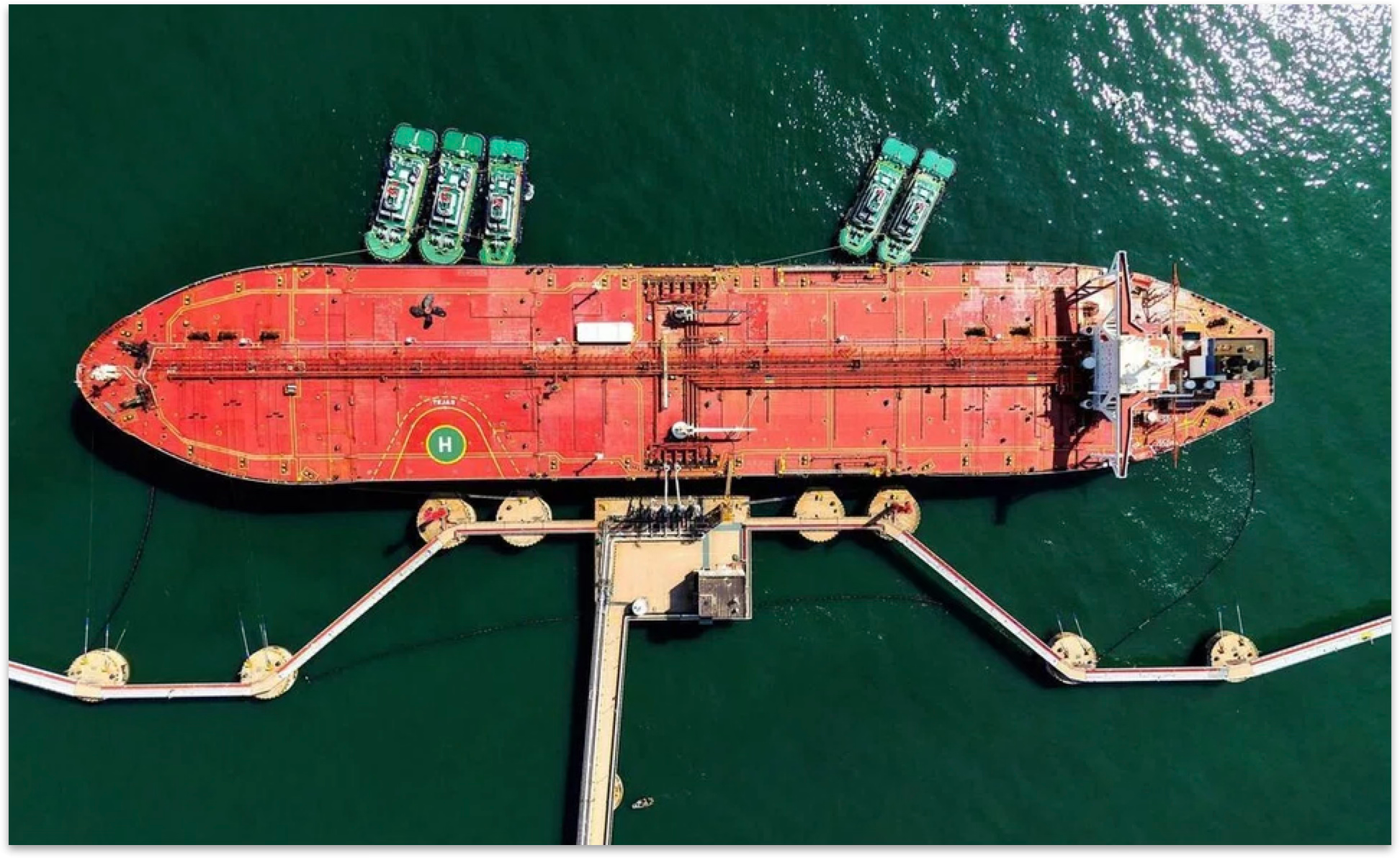
Trump has also signaled he is prepared to seize the oil loading facilities on Kharg Island, but doing so would require U.S. special forces and Marines on the ground. While Trump has kept this option on the table, he seems hesitant to risk American soldiers’ lives and prevent any further shocks to the global oil markets. If he chooses to do so, which we bet he does, this would deliver the ultimate knockout blow to Iran’s oil exports.
“US Marines, Army Rangers, and paratroopers from the 82nd Airborne Division – supported by US Air Force A-10 Warthogs and Army AH-64 Apache helicopters in close air support mode- must be used in raids and assaults to secure key terrain along the Iranian coastline. When the U.S. seizes and controls the Hormuz Strait — whether IRGC gets it or not — it’s game over.”
—Retired Army Col. Jonathan Sweet served 30 years as a military intelligence officer.
This is also bad news for China, which illegally breaks sanctions, buys 80% of Iran’s oil, and has already been cut off from buying oil from Venezuela at a bargain. Trump is clearly signaling President Xi — as he did in Venezuela and Nigeria — that the U.S. is tightening the noose around the CCP’s global oil supply.
In short, Iran can still impose costs and delays on the coalition in the short term, but it cannot stand up to American raw power for long.
Stabilizing energy markets for years ahead.
In addition to U.S.-led control and the full reopening of the Strait of Hormuz, we support Steve Forbes’ suggestion (drawn from energy expert Mark P. Mills’ analysis) for Trump to launch a trilateral U.S.-Saudi Arabia-UAE effort to build major new pipelines from the Persian Gulf oil fields directly to ports on the Gulf of Oman or the Arabian Sea. These pipelines could be built in a matter of months using existing rights-of-way and rapid engineering, completely bypassing the Strait of Hormuz as an additional hedge.
The February strikes and Iran’s retaliatory closure of the Strait of Hormuz, spiked Brent crude from around $72 to over $120. In short, reopening the Strait fixes the current crisis. By removing the ‘Iran risk premium’, prices wouldn’t just fall—potentially back toward the $70–80 pre-war range—they would stabilize energy markets for years ahead.
There are also several pipeline alternatives—both existing/expanded and proposed—that are being discussed or actively used in 2026 to mitigate reliance on the Strait of Hormuz amid the ongoing crisis.
Operation Epic Fury’s report card thus far
When President Trump returned to office in 2025, Iran was advancing its nuclear program with a large stockpile of highly enriched uranium that gave it a short breakout potential. It also possessed missiles capable of reaching parts of Europe, used proxies to disrupt Red Sea shipping earlier, and long backed groups in terrorist acts such as the October 7th attack. All these capabilities have now been dramatically curtailed.
The U.S. and Israel have eliminated over 50 senior Iranian regime leaders and officials, including Supreme Leader Ayatollah Ali Khamenei, and decimated their air force, navy, and command-and-control centers of the theocracy. Air strikes have destroyed significant munitions stockpiles, weapon factories, and nuclear-related infrastructure—inflicting hundreds of billions in damage on Iran’s military-industrial base. In sum, we have reduced what was once the region’s foremost military threat to a severely weakened state.
Proxy attacks by Iranian-backed groups in Syria and Iraq have also sharply declined, and a pragmatic geopolitical shift has emerged—the Gulf monarchies and Israel are now increasing intelligence sharing and coordination against the common Iranian threat.
The U.S. accomplished this at a direct military cost estimated at $27–47 billion during the roughly 38-day major combat phase and early ceasefire period (per analyses such as the Penn Wharton Budget Model), a fraction of the multi-trillion-dollar price tags of past prolonged conflicts. Yet it came at the tragic price of 13 American service members killed and roughly 365–381 wounded, alongside an estimated 2,000 innocent Iranian deaths (with civilian casualties in the low thousands.
As a comparison, Obama’s actions in Syria and Libya, Clinton’s bombing of Serbia, and Bush’s campaigns in Afghanistan and Iraq together claimed over 7,000 U.S. lives, hundreds of thousands of innocent lives overall, and around $8 trillion in taxpayer money. 😳
Current Iran update from Victor Davis Hanson. VDH is a Senior Fellow in classics and military history at Stanford University’s Hoover Institution, a prominent political commentator, military historian, and author of numerous books on ancient warfare, agrarianism, and contemporary
Now for the tough part—true regime change
We’re not playing military experts, but we believe we have one chance to collapse the Iranian thug regime that oppresses its people and terrorizes the world. Trump plays his cards close to the vest, yet we’re convinced he feels the same. This won’t come from U.S. boots on the ground. It must rise from within the 100 million Iranians who desperately want freedom.
We’ve already shattered their air force, navy, and most munitions stockpiles. Yet they still have the support of the Chinese and their terrorist proxy groups, fueled by fierce ideology—though Xi told Trump via letter this week that China is not supplying weapons to Iran. Most significantly, standing between the Iranian people and their freedom is the entrenched Islamic Revolutionary Guard Corps (IRGC), which controls the military and vast chunks of the economy through its business empire.
Toppling—or better, converting—key IRGC figures, as we did with Maduro’s upper echelon in Venezuela, is daunting but necessary in some form.
Naysayers should note The Economist poll: nearly 80% of Venezuelans now expect a better political future and improved personal economics, even with some former regime insiders in the fragile transition.
Yet, Iran is far more geopolitically consequential, ideologically rigid, and militarily capable than Venezuela. Success demands that the Iranian people quickly unite around a clear vision of a free, secular nation and credible leaders who can rally them.
We can arm and resource the Iranian people and their Kurdish allies, while locking down their skies and surrounding seas. But in the end, it’s their country to reclaim. We’ve long believed in the will of Iran’s great people, and we still do.
Our job is nearly done. If Hormuz reopens, the U.S. naval blockade holds, and the regime either yields or implodes, this campaign will stand unmatched in surgical precision and cost-benefit ratio.
We pray this moment is seized, freeing Iran with minimal loss of innocent life, infrastructure, and sacrifice. If our collective goals are met, the Middle East could become the most peaceful and free it has been since the end of the Ottoman Empire.

Agree or disagree with this Rap segment? Comment on @CryptoniteRap

The rise of ‘citizen journalism’
Today, people spend far more time consuming news from citizen journalists and independent commentators on YouTube, TikTok, and other social platforms than from journalists at legacy TV networks and news sites. This shift has accelerated dramatically since the early 2020s, which explains why traditional corporate media is now fighting for survival.
Here are a few striking facts:
Social media and video platforms now reach 54% of Americans for news on a weekly basis, surpassing TV news (50%) and legacy news websites/apps (48%) for the first time.
More than half of Americans under 35 say social media and video networks are their primary news source.
Globally, the share of people getting news through social video has risen from 52% in 2020 to 65% in 2025, largely driven by independent voices rather than corporate outlets.
In the United States, 61% of news video consumption now happens on YouTube, Facebook, and TikTok — compared to just 29% on traditional news websites and apps.
Before 2006, the idea of getting original news and commentary directly from individuals — rather than through corporate gatekeepers — barely existed. The two platforms that changed everything were YouTube (founded in 2005 by former PayPal engineers Chad Hurley, Steve Chen, and Jawed Karim) and Twitter (founded in 2006 by Jack Dorsey, Noah Glass, Biz Stone, and Evan Williams).

As a media entrepreneur and editorialist, I’ve been a believer and champion of blogging and citizen journalism since the early 2000s. Under the media brand at the time, AlwaysOn, I was proud to interview Chad Hurley at our annual Summit at Stanford, where we awarded YouTube our “Company of the Year” when the platform was only seven months old. In 2008, we hosted Jack Dorsey at the same annual event and awarded Twitter our “Company of the Year” when it was just over a year old.
Many industry observers were surprised by our choices. At the time, despite strong VC backing, neither company had a clear path to profitability. In retrospect, both picks were bold and unconventional. But as I discussed with both founders onstage, our real mission was clear — to help disrupt the corporate media world that none of us trusted and empower citizen journalism. This was our shared ‘religion.’
Twenty years later, it’s deeply satisfying to see social media and video platforms reach 54% of Americans weekly for their news — finally surpassing the reach of legacy TV news (50%) and news websites/apps (48%). It’s been a journey, but this gap will invariably get wider. According to Gallup, trust in corporate news stood at 68% in 1972, plummeted to 31% by 2006, and sits at 28% today.😳

Red Herring published its January 1996 cover story featuring an in-depth interview with Steve Jobs while he was still CEO of NeXT. Just weeks earlier, his animation studio Pixar had premiered Toy Story — the world’s first full-length digitally animated feature film — on November 19, 1995. It became a massive blockbuster and changed the world of movie animation.
Jobs would return to Apple in early 1997 after the company he co-founded agreed to acquire NeXT (the deal was announced on December 20, 1996). Steve and the NeXT team then adapted NeXTSTEP/OPENSTEP to become the foundation of Mac OS X (released in 2001). Today, macOS, iOS, iPadOS, watchOS, and tvOS are all direct descendants of that NeXT operating system. Read more about the epic story.
The FACTS still matter
At all the media brands I have created — Red Herring, AlwaysOn, and now Cryptonite — we have always tried to follow The Economist’s editorial model. The Economist describes its journalistic approach as “combining rigorous, fact-driven reporting with clear editorial opinion, all delivered through a consistent, collective voice.” That’s how you create reader trust. We offer the essay above on Iran as an example—the subject was outside our usual topic lane, so we worked extra hard on it.
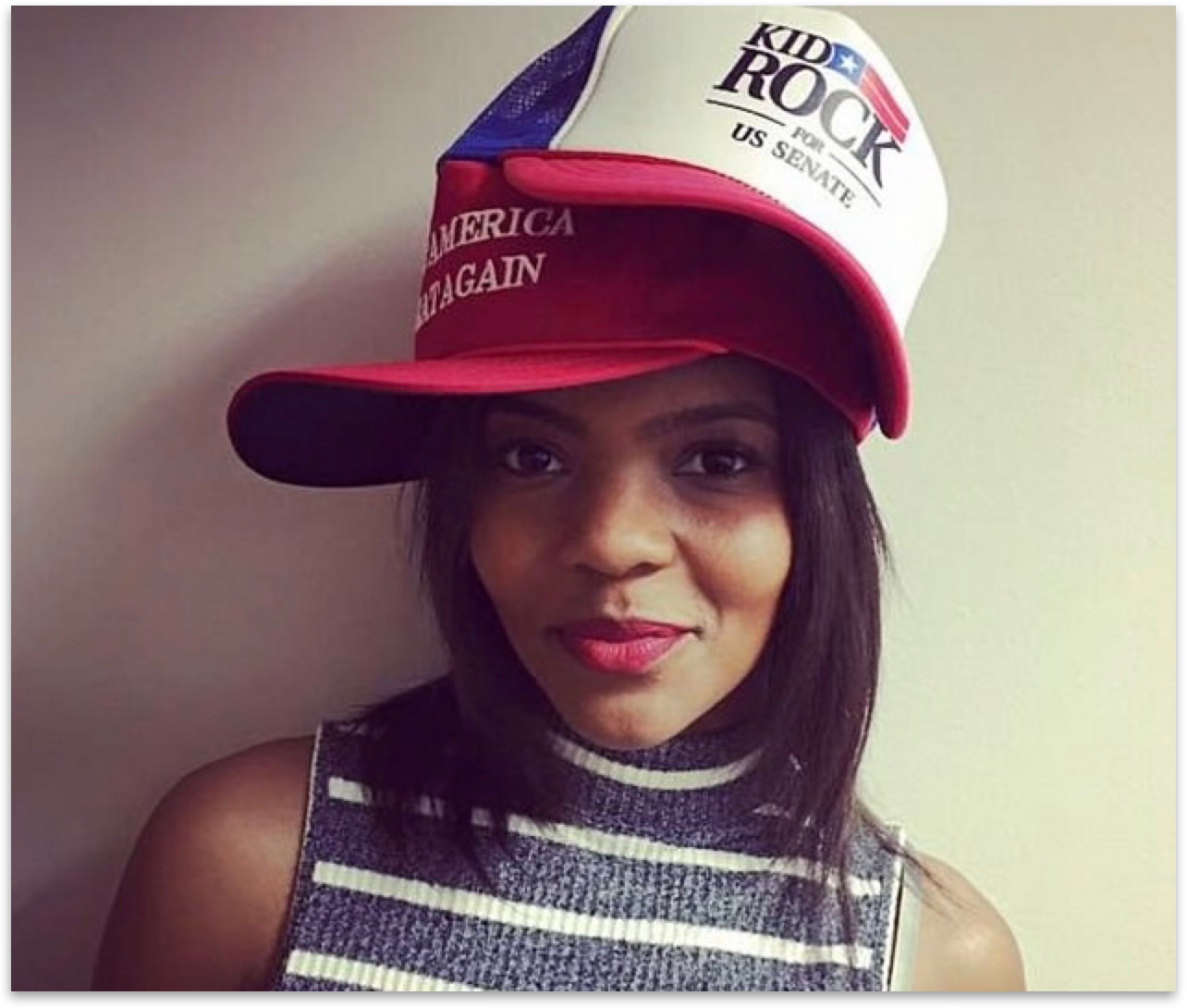
In researching the post, it once again became clear that, while we may have snipped the strings of some corporate media puppets during the open media revolution, we can’t claim to have made the content world any more trustworthy. A case in point is some misaligned coverage of three of the most popular citizen podcasters on YouTube: Candace Owens, Tucker Carlson, and, to a lesser extent, Megyn Kelly. All former MAGA hat wearers who have all turned on the Bogeyman, and decided that the Iran conflict was not “America First’ enough for them. Fair enough.
The problem is, in the process of making their cases, Megyn let her normal high journalistic standards be overwhelmed by emotion, and the other two have turned into full-blown conspiracy theorists in highly unsettling ways.
Tucker has never been our cup of tea. And he ain’t winning us back, by hosting crazies like Nick ‘Hitler was fucking cool—Holocaust didn’t happen,’ Fuentes and history revisionists like Darryl Cooper—‘The psychopath Winston Churchill, not Adolf Hitler, was the chief villain of World War II. It would be fine if he asked challenging questions and exposed these fools, but he just sits there and nods in agreement.

To solidify his place in antisemitic history, he declared that “Israelism — Christianity without the New Testament” is America’s new, unforgiving faith. 🤔 This new dogma he fears (anybody heard of it?) apparently ‘blends politics and selective Old Testament themes while sidelining Jesus’ teachings.’
Hey this America, not Iran—The Madman in his Cave can say what he wishes, but our research has found two major results since his ascension to his new found Christian pulpit. One, his net favorability among Republicans has tumbled from net +54 net to +7 while, in the same YouGov poll, the President’s rating shot up giving him a 54-point advantage over Nicotine Tuck. But not to worry, because Tuck’s viewership has boomed in Iran, Pakistan, and Qatar—you know, those countries that kill you if you convert to Christianity.
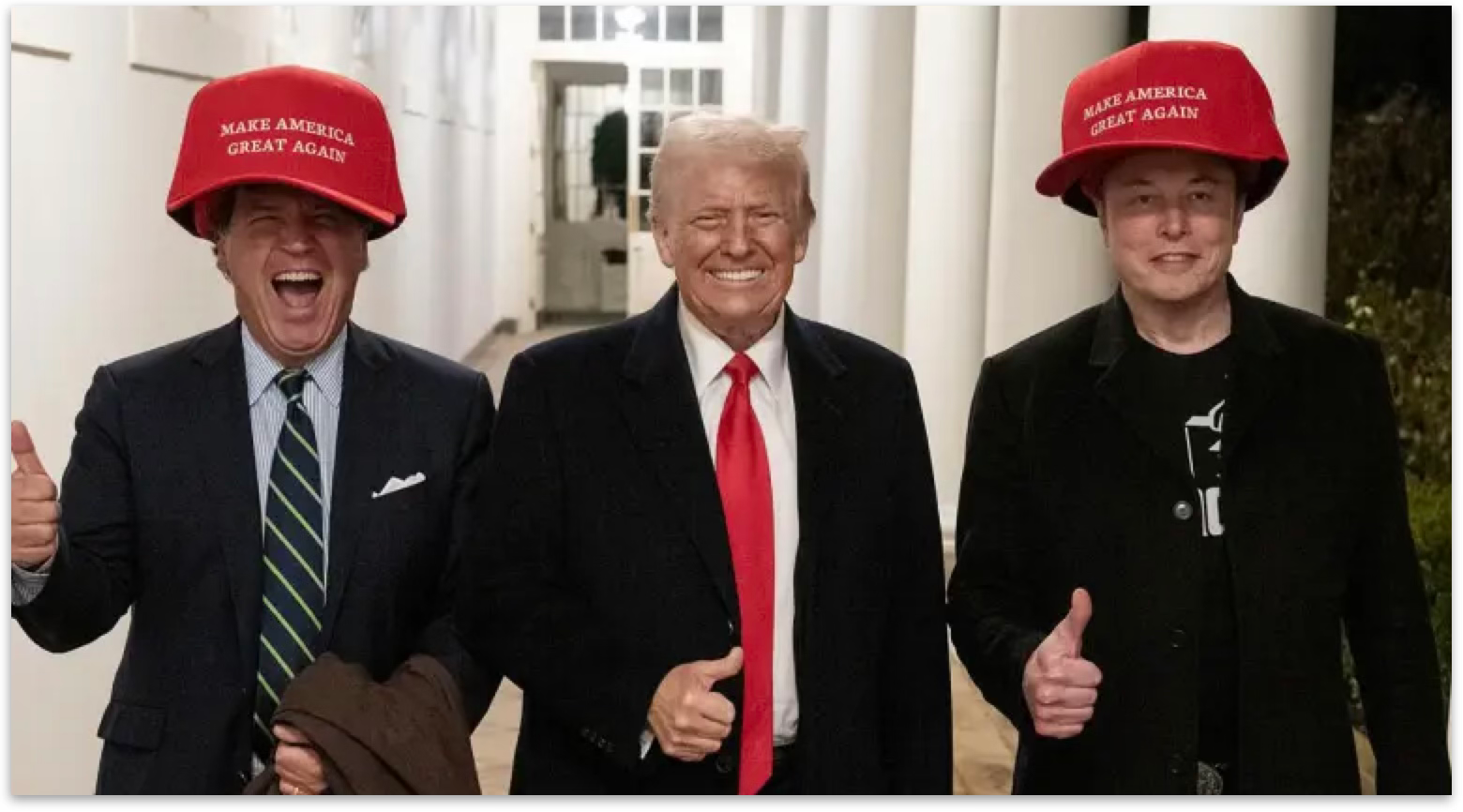
Estimated monthly audience reach
Candace Owens (Candace / Candace Owens Podcast): YouTube channel pulls in ~70 million monthly views; nearly 6 million subscribers (the highest of the three), bolstered by rapid cross-platform growth and top-30 podcast rankings.
Tucker Carlson (Tucker Carlson Show / Network): YouTube channel averages roughly 100 million monthly views; ~5.6 million subscribers with a dedicated channel adding ~ several million more; and top-20 ranking in U.S. podcast reach surveys.
Megyn Kelly (The Megyn Kelly Show): Generates strong YouTube video views, with 138 million in February 2026 (more than double CBS News’ total that month), supported by ~4.2 million subscribers; and top-20 ranking in U.S. podcast reach surveys.
In terms of the lovely Candace, we feel like we are breaking up with our high school sweetheart. 💔 We have not watched her in ages, but very sadly, Candace’s recent rhetoric (particularly 2025–2026) directly aligns with a range of unfounded and duplicitous antisemitic conspiracy theories. She has launched a campaign (“Becoming Brigitte”) to prove that President Macron’s wife, Brigitte, is a man—even if she/he is who cares? Her “Bride of Charlie” series promotes the unfounded conspiracy theory that Erika Kirk (Charlie Kirk’s widow) acted as an operative in coordination with Israeli intelligence (Mossad) to help orchestrate her husband’s 2025 assassination.
If you are shaking your head about Ms.Owens as we are, you might turn to the popular and highly credentialed psychoanalyst Jordan Peterson for possible answers. “Candace Owens is a narcissistic psychopath in every instance,” he has observed. “She is a true Pharisaical pretender who uses professed Christian devotion primarily to elevate her own status and subvert principles for personal gain.” Sound familiar, Tuck?
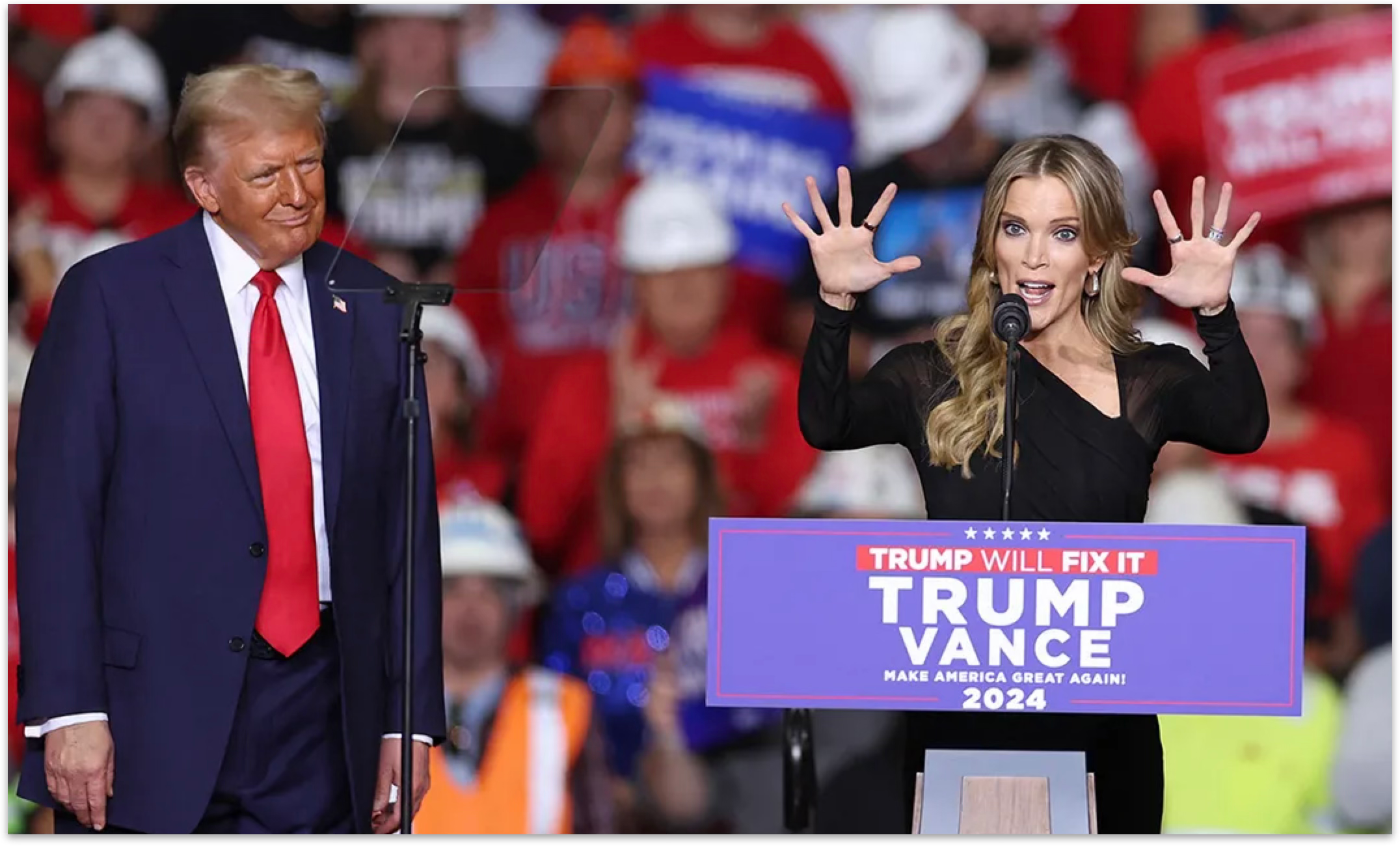
One of our primary issues with Ms. Kelly is that she has yet to acknowledge that her two aforementioned homies are totally bat-shit crazy. But Megyn, too, unleashed her own heated, profanity-laced rant on Trump and the Iran conflict. We have no issue with her ranting; we like to sling the F-word around sometimes, too, when we need to puncture a critical point. Our issue is that we feel MK, like Tuck and Candace, appropriated the “America First’ banner from the MAGA movement to make her case. See some details here.
The fact is, 92% of MAGA think taking out an America-hating, uranium-enriching regime, pointing ballistic missiles at our military bases, and leading Shia militias that love to kill Americans, falls squarely under their definition of “America First.” We have watched MK enough to know she would respond to us by saying she has the right to her own definition of the banner. Sure. But we still feel it was a disingenuous appropriation, particularly because she never, along the way, revealed that her opinion on Iran is part of the 8% minority view of the MAGA movement she so gloriously embraced.
Support for current military actions against Iran
Democrats: 8%
Republicans: 85%
MAGA: 92%
See the data from all the polls that contributed to these averages.
Even more significantly, AI research shows that since hosting Rich Lowry, Charles C.W., and Mark Geist on her show shortly after the conflict broke out in early March, MK has not hosted a guest who offered a full-throated case for the strikes, or disagreed with her opinion of Iran in earlyMarch. Where are MK’s buddies, Victor Davis Hanson, Marco Rubio, and Ted Cruz, to educate people on the counterpoints? The military action against Iran is one of the most consequential political events of all of our lives. Where were the ‘fair and balanced’ journalist principles she learned at Fox News? Her viewers deserve thoughtful presentations from all sides of this major event.
We know MK is better than this, and we hope she returns to her normal journalist practices on this critical issue in the near future. Her viewers, me included, depend on this.
Epilogue—AI is the new equalizer
The bottom line is I am proud to have been part of the ‘citizen journalism’ revolution and its recent outpacing of corporate media in reach. But that is as far as our idealism has changed our culture. It can be argued that we have done more harm than good by creating huge echo chambers that have damaged all of our mental health and polarized our country.
At Cryptonite, we are going to keep fighting the good fight by putting the math on the table and linking our opinion to deeper AI research, which is not 100% accurate, but is at least independent and puts us in the ballpark of the truth. (Trust us, our AI results often soften our rhetoric and even change our minds.) Our new push is that “AI is the new equalizer,” because you can handily fire up your Grok app when debating some misinformed blowhard and put their FACTS in their proper place.
—Anthony Perkins, founder & editor, Cryptonite, Medellín, Colombia —Talk to me @HeyTPerk or TheEditor@CryptoniteVentures.com

Full Disclosure: I am a practicing Catholic who believes every human being possesses equal sanctity and dignity of life, regardless of nationality, background, faith, or stage of development. I am an Independent who has not voted for a presidential candidate in at least the last three elections and will only do so when I fully align with their priorities, solutions, and character. My political philosophy is based upon the principle of subsidiarity, which is why Cryptonite embraces the decentralizing effect of AI-powered smart contracts as a means to disrupt bureaucracy and return power to the people. Cryptonite’s editorial policy is to deliberately avoid broad political labels (liberal/conservative or left/right) because they are often used to put people in boxes, in an attempt to easily discard and rob people of their unique identities. And yes, I disagree with Pope Leo—as I am allowed to do—because I believe he is not presenting the full balance sheet regarding our efforts in Iran so far. I believe these efforts are covered by Saint Augustine’s “Just War” definition, just as I do not believe they applied to our misadventures in Vietnam, Iraq/Afghanistan, Syria (2011–2016), and Libya (2011).
Your Holiness, with all due respect, we just don’t want our kids to be burdened with dealing with a nuclear-armed terrorist state that kills its citizens if they convert to Catholicism, pointing their weapons at them. 😇🙏🏼
